Most detecting frustration comes down to a handful of repeated, avoidable mistakes rather than bad equipment. Here are the seven we see most often — fix these and almost any detector performs noticeably better.
1. Maxing Out Sensitivity
The single most common beginner mistake. Higher sensitivity sounds like it should mean better performance, but past a certain point in mineralized ground it just floods the detector with false signals and chatter, making real targets harder to pick out, not easier. Start around 70–80% of maximum and raise it gradually only until instability appears, then back off one level.
2. Skipping Ground Balance, or Setting It Once and Forgetting It
Ground balance needs to be set at your actual search location, not at home, and reset whenever soil conditions change — moving from dry ground to a damp riverbank, for instance. A detector left ground-balanced for the wrong soil behaves like a cheaper, less capable machine than it actually is.
3. Sweeping Too Fast
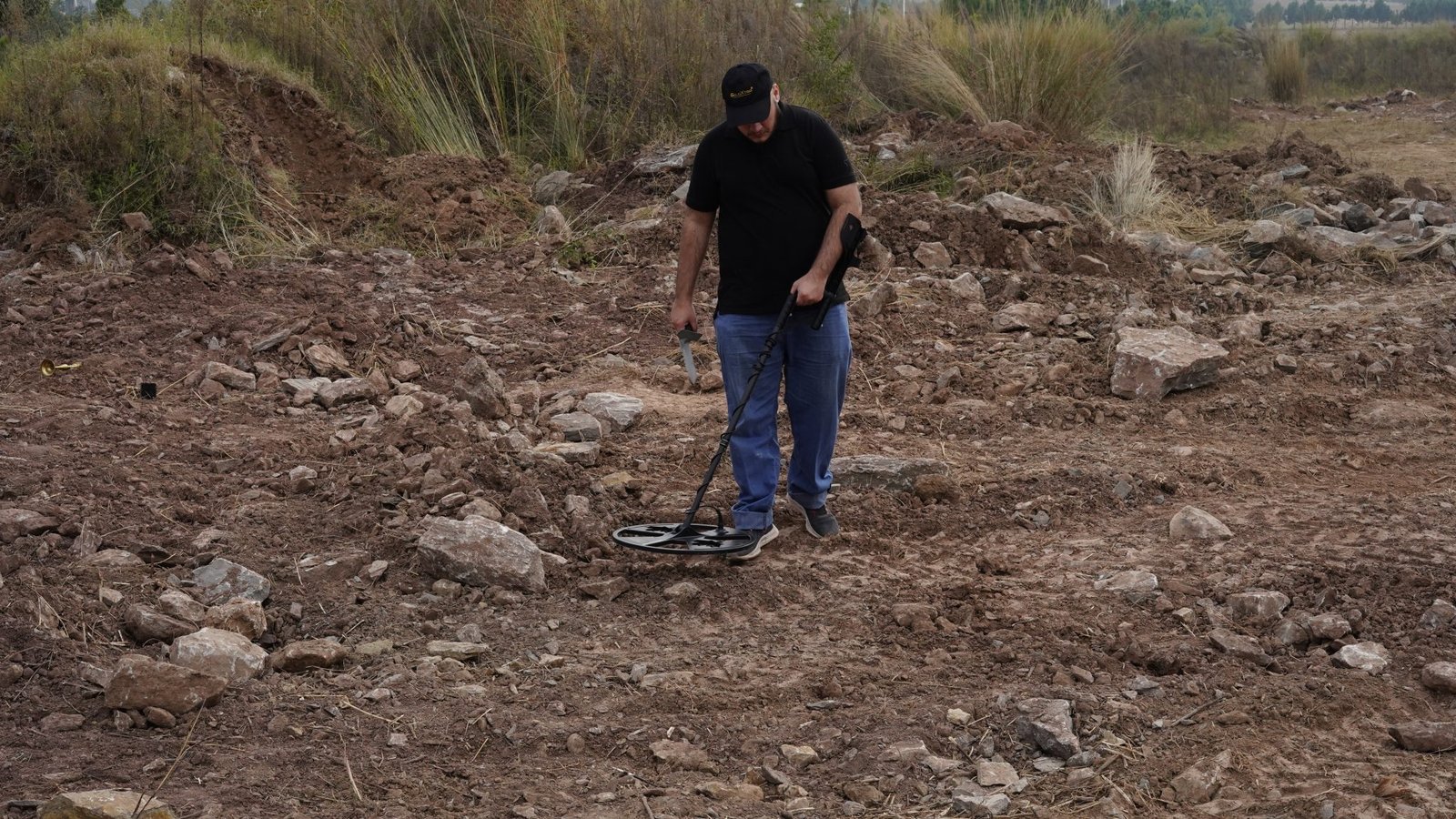
Fast, sweeping motions feel efficient but they don't give the coil enough time over a target to generate a clear signal, especially for small or deep items. A slow, steady sweep with 10–15 cm of overlap between passes covers ground more thoroughly than a fast one, even though it feels slower.
4. Keeping the Coil Too High Off the Ground
Every centimeter of extra height between the coil and the ground costs real detection depth. Keep the coil close — 2–5 cm above the surface — without letting it actually strike the ground, which introduces its own interference.
5. Dismissing Weak or Unusual Signals
Deep targets and small, raw (unrefined) gold both tend to give faint or unusual-sounding signals compared to a clean coin at shallow depth. New users often dig only the strong, obvious hits and walk past exactly the kind of faint signal a genuine deep target produces.
6. Digging Carelessly
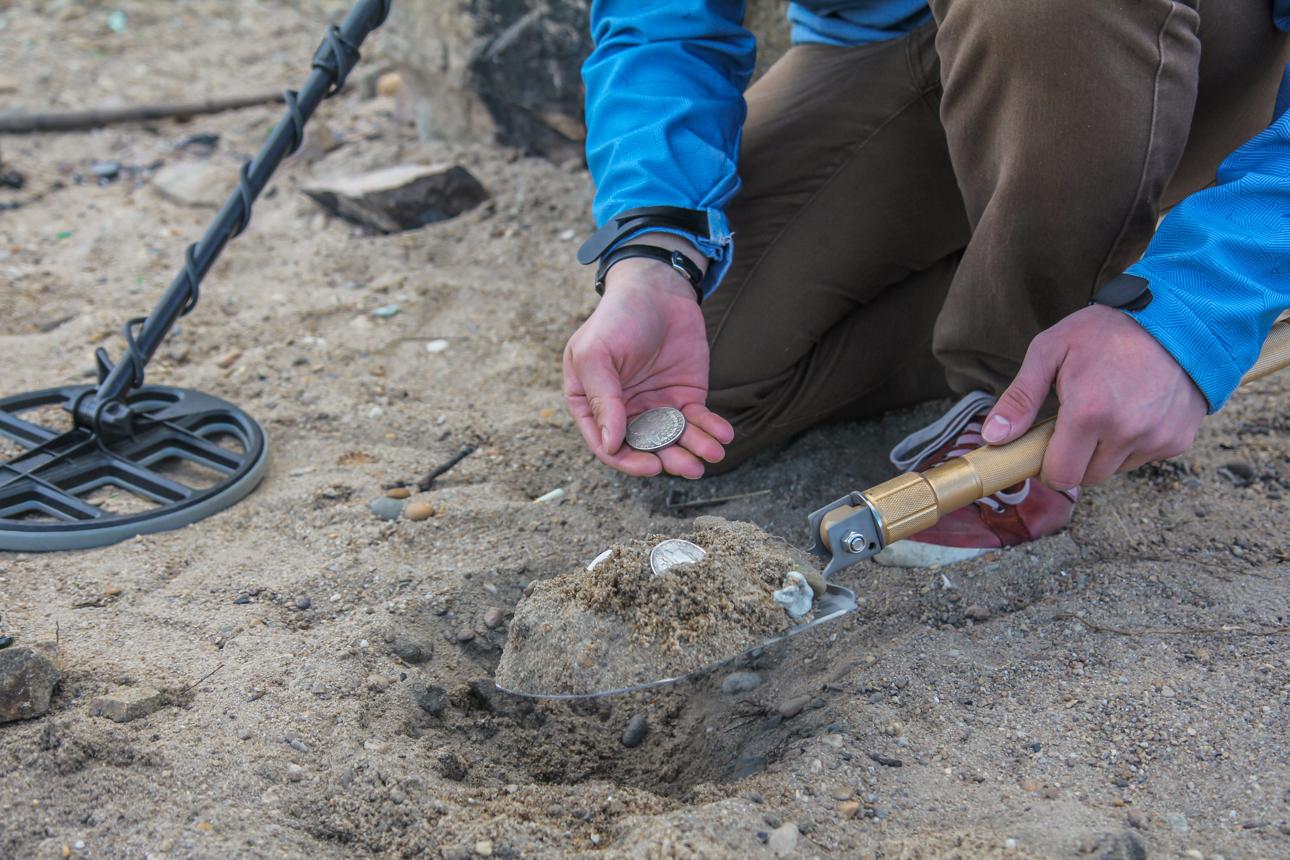
Randomly stabbing at the ground damages both the target and the site, and often loses the target in loose soil entirely. Pinpoint the signal's center first by narrowing your sweep, then lift a single soil plug in one piece rather than digging a wide hole.
7. Neglecting Basic Maintenance
Coils and connections that aren't cleaned after use in wet or muddy ground develop corrosion and loose contacts over time, which shows up later as unreliable, seemingly random performance that has nothing to do with settings at all. A quick wipe-down after every session prevents most of this.
The Pattern Behind All Seven
Every mistake on this list has the same root cause: rushing. Slower sweeps, patient ground balancing, and careful digging all cost a little time in the moment and save far more time in missed targets and lost finds over a full session.