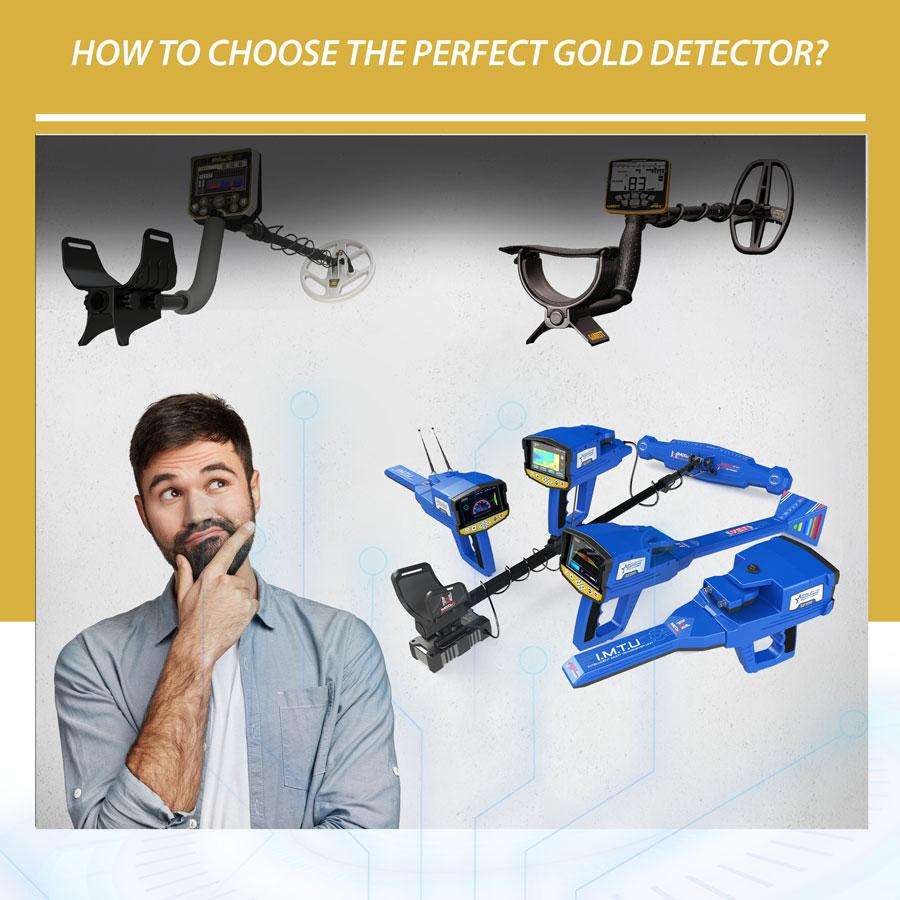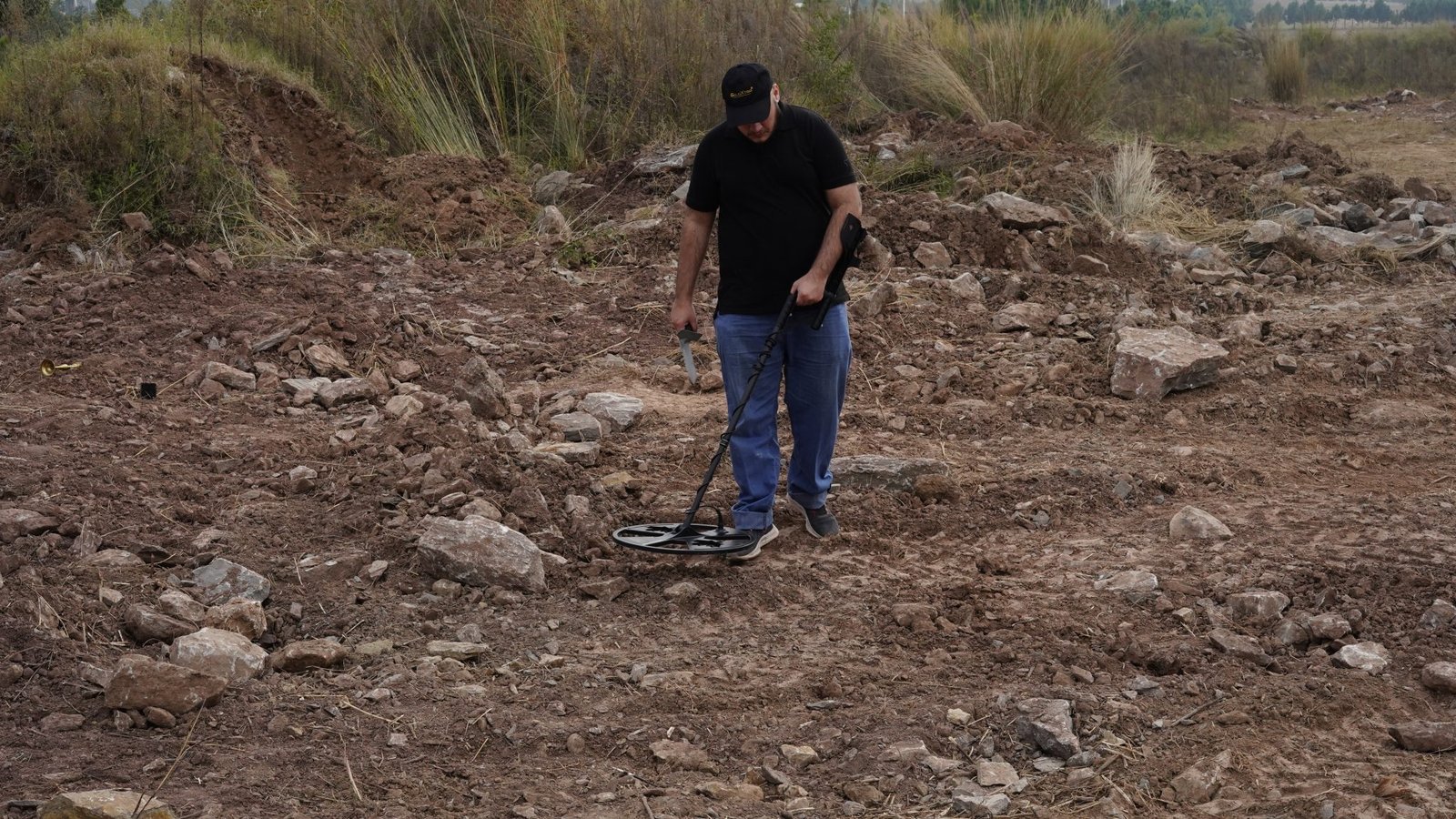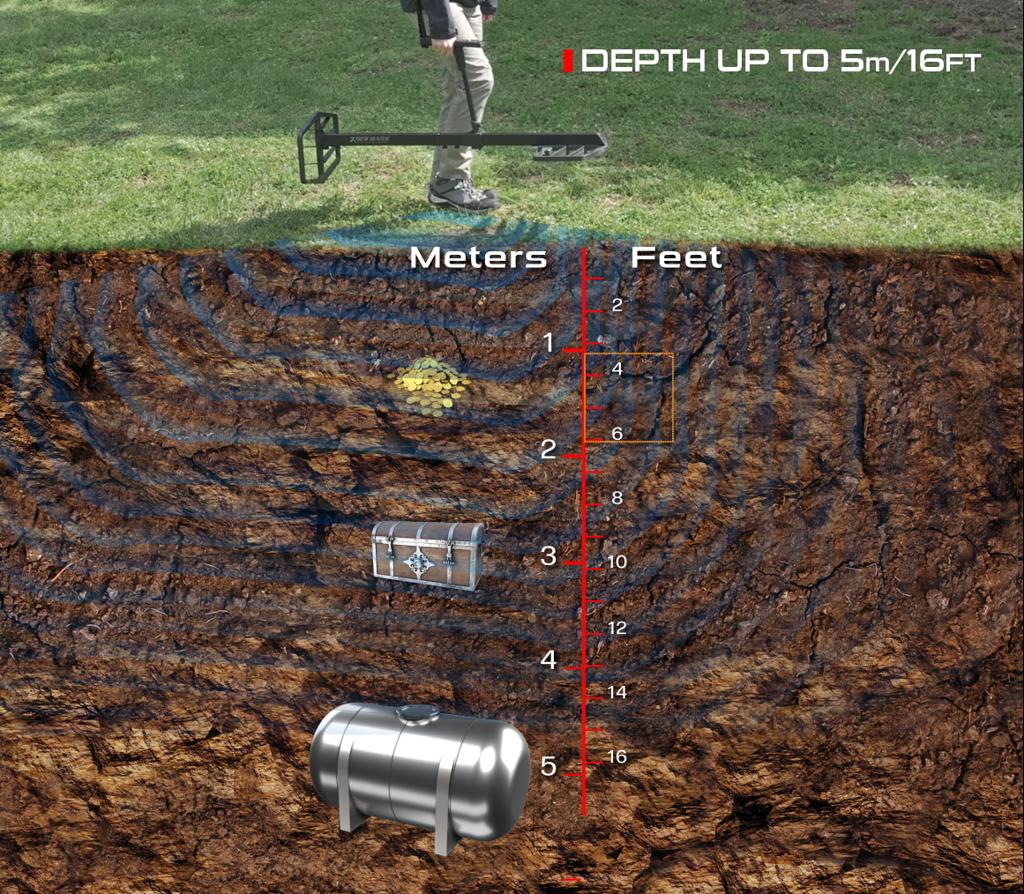
"How deep can this thing actually detect?" is one of the first questions every buyer asks, and it's also one of the most misleading specs on any detector's box. Depth depends on the detector's technology, the target's size and material, and your soil's mineralization — not just a single published number. Here's what real depth looks like across our current gold detector range, and why the number on the spec sheet is a starting point, not a guarantee.
Real Depth Figures From Our Gold Detector Range
| Model | Technology | Published Depth |
|---|---|---|
| GoldXtra TGX Lite | Multi-system VLF | 7–8 ft |
| GoldXtra TGX Pro | Multi-system VLF | 8–9 ft |
| GoldXtra TGX Special Edition | Multi-system VLF | 9 ft |
| GoldXtra TGX Pro Plus | Multi-system VLF | 10–12 ft |
| Nokta Gold Finder 2000 / Gold Kruzer | VLF | Tuned for sensitivity over maximum depth |
| Minelab GPX 6000 / GPZ 7000 / GPZ 8000 / SDC 2300 | Pulse Induction / GPZ ground-scanning | Greatest depth in mineralized ground (quote-only) |
Why Target Size Matters More Than the Spec Sheet
A published depth figure is almost always measured against a specific, reasonably large test target — often a coin-sized piece of metal in average soil. A small gold nugget or fine flake behaves completely differently: it might only be detectable a few inches to a foot down on the same machine that claims 8 or 9 feet of depth. As a rough rule, detection depth roughly scales with target size — small gold needs to be shallow to register, while a larger buried object can be found considerably deeper.
Why Soil Mineralization Changes Everything
Ground mineralization is the single biggest real-world factor separating a detector's advertised depth from what you'll actually get in the field. Highly mineralized soil — the volcanic, iron-rich ground found in parts of western Pakistan, for example — generates its own background signal that a detector has to filter out, which reduces effective depth regardless of the technology. This is exactly why Pulse Induction detectors, which are largely unaffected by ground mineralization, are favored for the toughest ground even though they can't always discriminate targets as precisely as VLF machines.
VLF vs Pulse Induction: The Depth Trade-off
VLF technology (used across Nokta's gold detectors and GoldXtra's TGX series) is generally more sensitive to small, fine gold, while Pulse Induction (Minelab's GPX and SDC lines) trades some of that fine-target sensitivity for greater raw depth and near-total immunity to ground mineralization. Neither is strictly "deeper" in every situation — it depends on your target size and your ground.
Getting the Most Depth Out of Any Detector
- Ground balance correctly: An improperly balanced detector loses real depth to mineral interference, regardless of its rated maximum.
- Keep the coil low: Every centimeter of extra height between the coil and the ground costs detection depth.
- Match the coil to the job: Larger coils generally reach deeper on bigger targets; smaller coils give better separation and sensitivity to small, shallow gold.
- Don't max out sensitivity: Sensitivity set too high in mineralized ground causes false signals, not more real depth.
The Bottom Line
Treat any published depth figure as a best-case number under favorable conditions for a specific target size, not a guarantee for your ground and your gold. If you're searching in heavily mineralized soil or chasing very fine gold, talk to us about which technology — VLF or Pulse Induction — actually fits your situation, rather than picking the detector with the biggest number on the box.